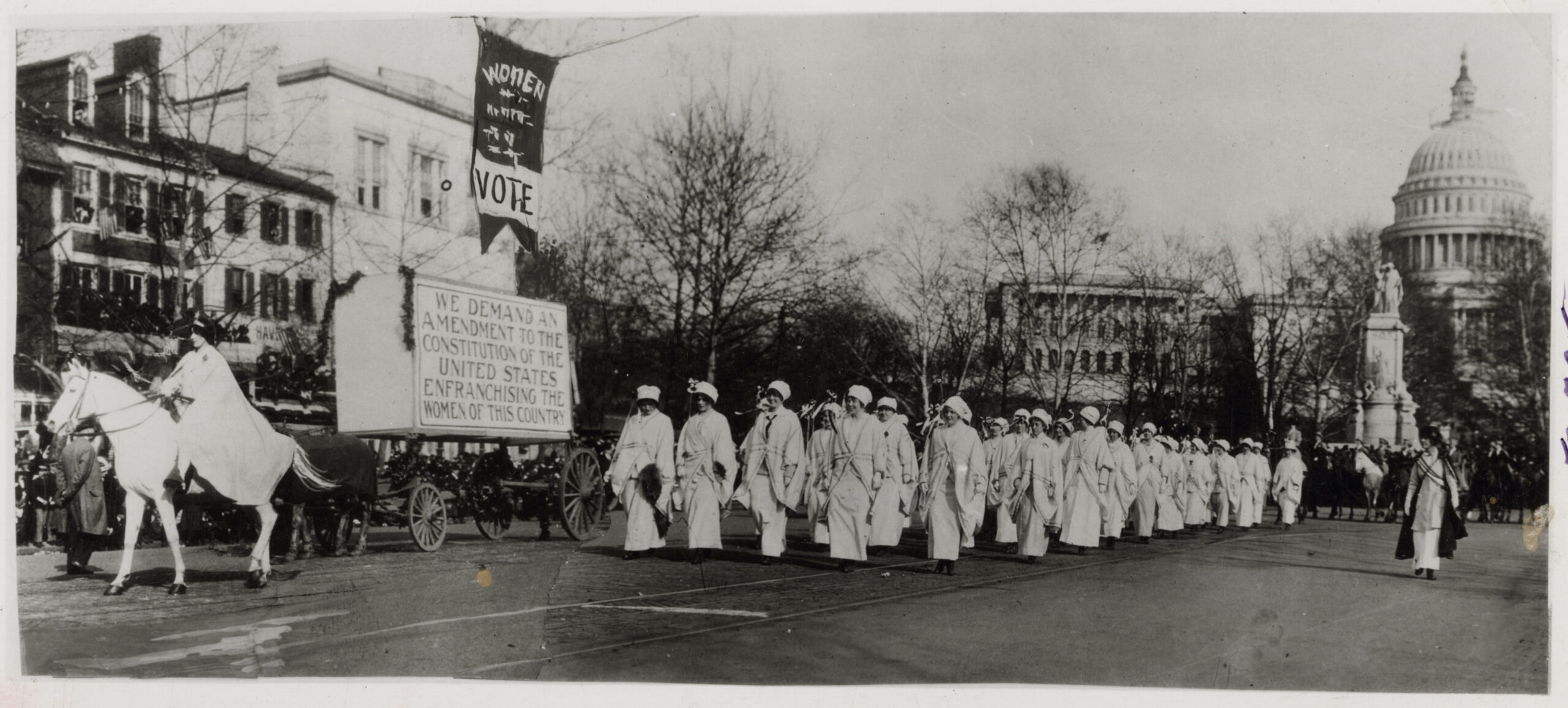
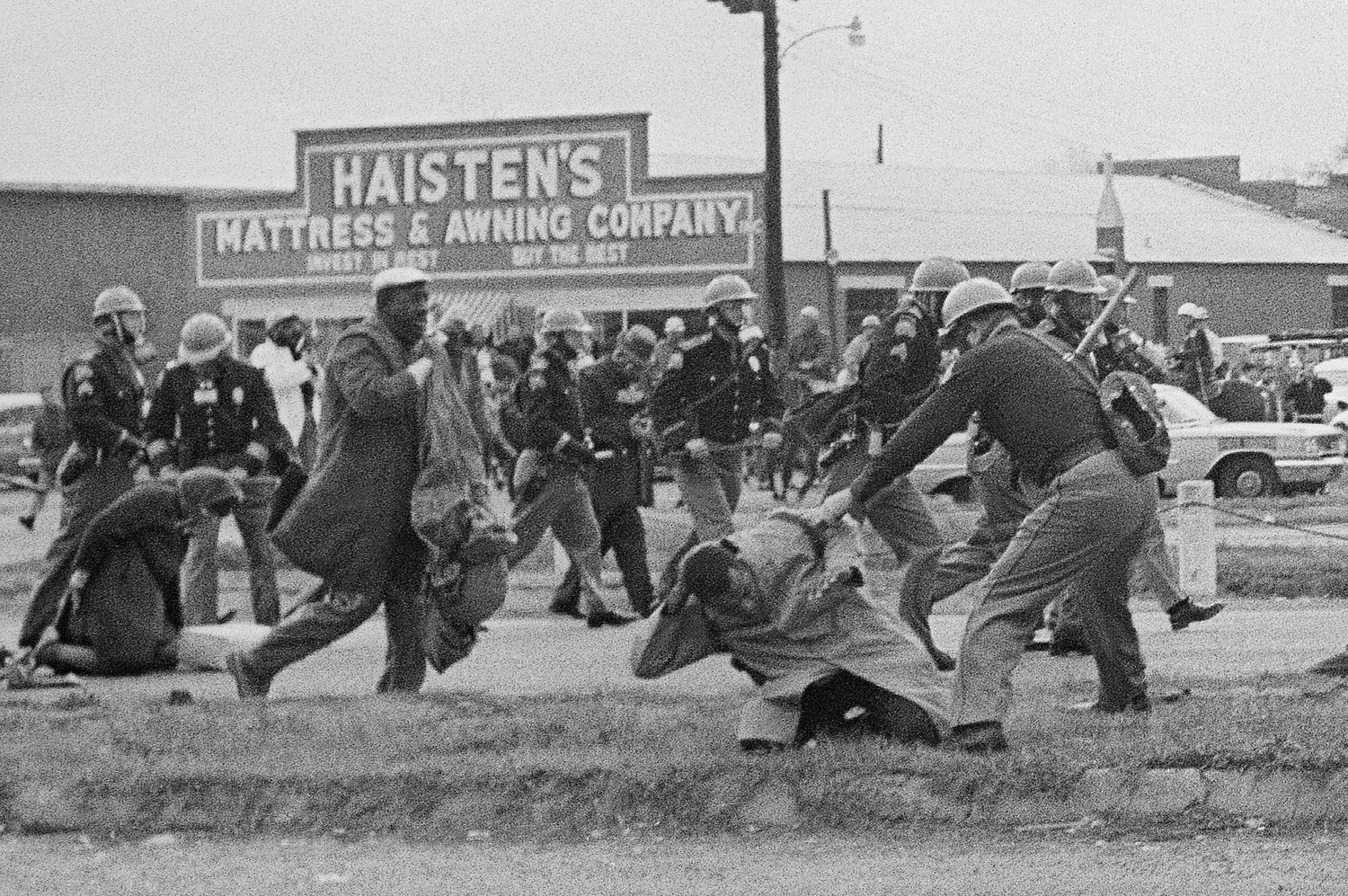
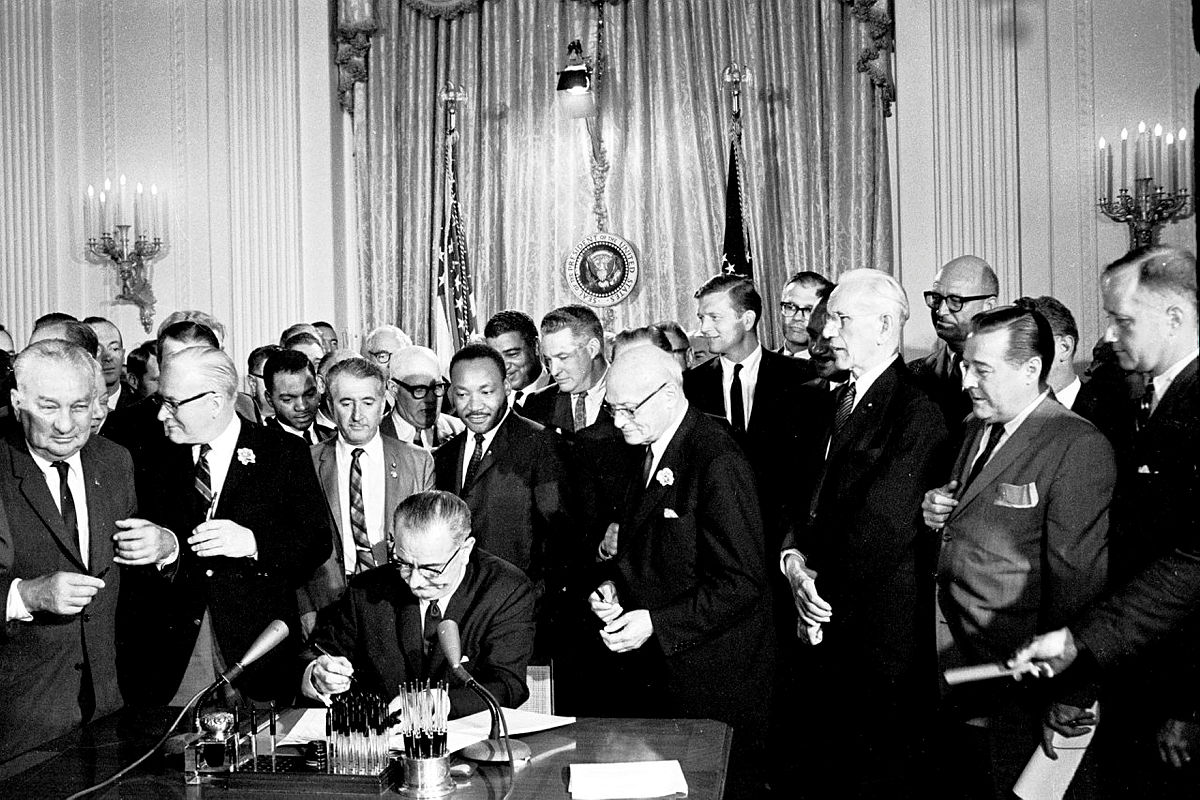
These are not simply stories from our history books. They are reminders of what it took to make our democracy more inclusive and what is entrusted to us today. Every time we cast a ballot, we exercise a right that generations before us were denied. We benefit from the determination of people who refused to accept that their voices mattered less than someone else’s.
And that brings us to this election.
Midterm elections may not receive the same attention as presidential elections, but their consequences are no less meaningful. The people we elect to Congress make decisions about education, the economy, national security, and countless issues that affect our daily lives. State and local elections shape our schools, neighborhoods, and communities. These decisions are not abstract. They affect our families, our opportunities, and the future we leave to the next generation.
Voting does not guarantee that our preferred candidate will win or that every decision will go our way. Democracy has never worked that way. But it gives us something generations of Americans fought to secure: a voice. And while we may disagree about candidates, policies, and the direction of our country, we should never lose sight of the importance of having that voice.
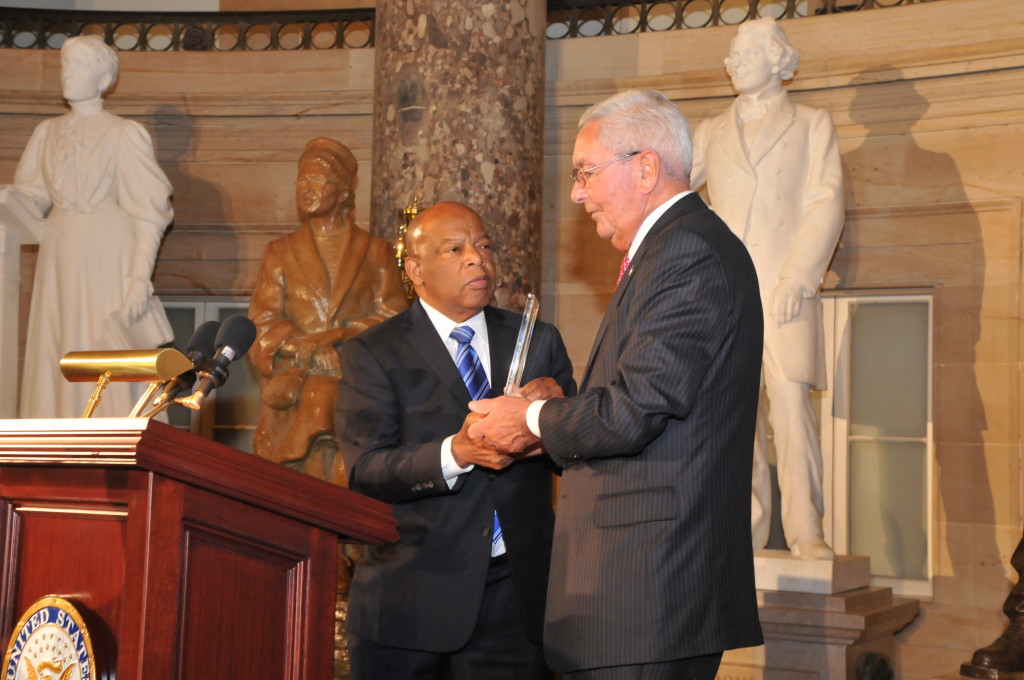
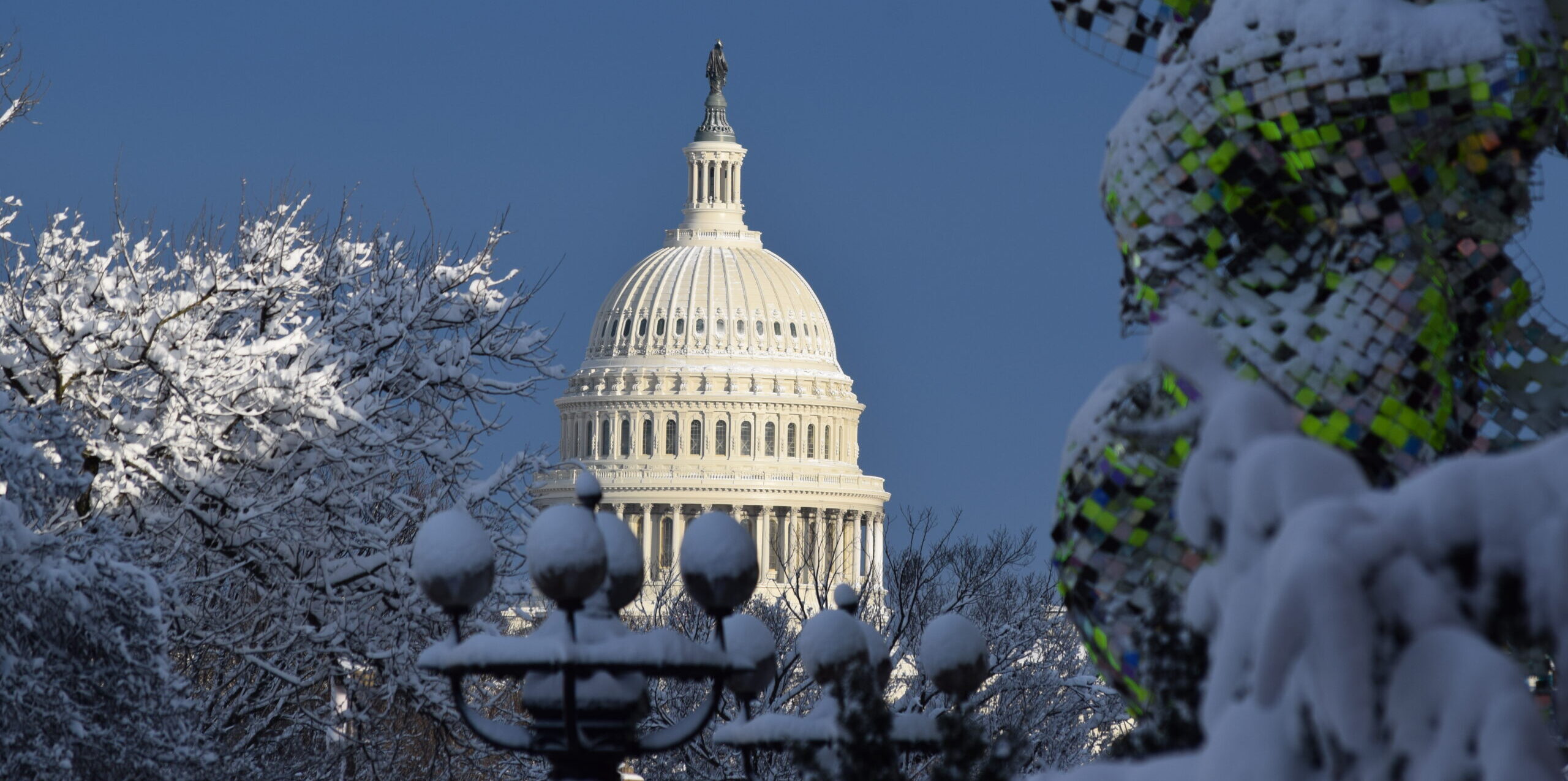
At the United States Capitol Historical Society, we believe understanding our nation’s history is essential to meaningful civic engagement. And meaningful civic engagement is essential to understanding our nation’s history. We have the distinction of being founded by U.S. Congressman Fred Schwengel, who proudly voted for the Civil Rights Acts of 1957, 1960, 1964, and 1968; as well as the 24th Amendment that outlawed federal poll taxes. The U.S. Capitol is more than a magnificent building. It is where generations of Americans have debated, challenged, and expanded the meaning of our democracy. Within its walls, Congress passed landmark legislation that helped bring our nation closer to its founding ideals. And outside those walls, ordinary Americans marched, organized, protested, and demanded to be heard. Their stories remind us that democracy is not a spectator sport. It requires our participation.
As Election Day approaches, we encourage every eligible American to learn about the candidates and issues, make a plan, and cast a ballot. We do not have to agree on whom to vote for. That is the beauty of democracy. But we should recognize that the right to vote is more than a privilege we enjoy. It is a responsibility we inherit from generations of Americans who refused to be silenced.